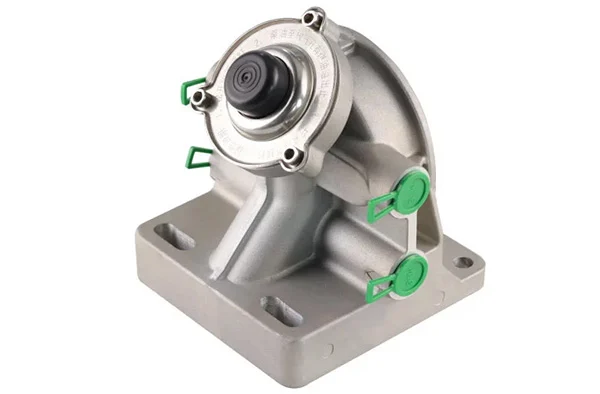
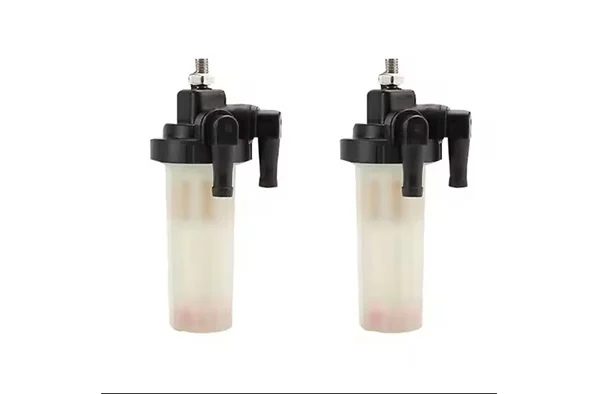
Gas filters—which utilize sintered glass fiber, stainless steel mesh, or activated carbon as their core filtration media—are essential purification components designed for gas-powered vehicles, exhaust emission testing systems, and automotive manufacturing production lines. They play a critical role within the broader automotive system.
These filters precisely remove impurities such as particulates, tar, and moisture from fuel gases, exhaust gases, or process gases. With filtration precision reaching as fine as 0.1 microns, some models achieve a separation efficiency of nearly 100% for micron-sized dust particles. By doing so, they protect sensitive components—such as pressure regulators and injection valves in gas-powered vehicles—from clogging or damage caused by impurities, while also ensuring the accuracy of data from exhaust emission testing equipment.
Monitoring the condition of a gas filter is vital for the proper operation of a vehicle. The following signs indicate that a gas filter may be damaged:
Dashboard Warning Signals
The most obvious indicator is the illumination of a dedicated gas filter differential pressure warning light; in some vehicle models, this may also trigger the “check engine” light. Alternatively, the vehicle’s ECU may log fault codes related to abnormal gas flow or an improper air-fuel mixture ratio.
Abnormal Performance Signals
If you notice restricted fuel supply—manifesting as sluggish acceleration, delayed throttle response, or a noticeable loss of power when climbing hills—it is time to inspect the gas filter.
Furthermore, if the engine experiences rough idling, unstable operation, or even stalls completely due to an interruption in the gas supply, you should consider whether the gas filter is the source of the problem.
Physical and Hardware Anomalies
- Visible damage, such as cracks in the filter housing, a ruptured internal filter element, or gas leaks at the connection points.
- Clogging or jamming of downstream precision components, such as gas pressure regulators or injection valves, caused by accumulated impurities.
- A filter element surface that has turned black and hardened (caked), with severely reduced light transmission and a heavy buildup of sludge and debris inside.
Such visible signs of damage clearly indicate that the gas filter requires replacement.
Conclusion
Gas filters are widely used in applications such as CNG-powered vehicles, vehicle emission testing lines, and gas purification for automotive welding processes. They serve as a crucial protective component, ensuring the stable operation of a vehicle’s gas supply system. If you notice any irregularities with your gas filter and are unsure what to do, Huawei is here to provide the assistance you need—please feel free to contact us at any time.