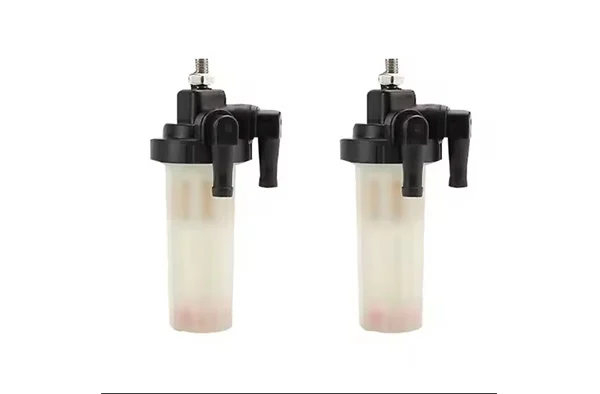
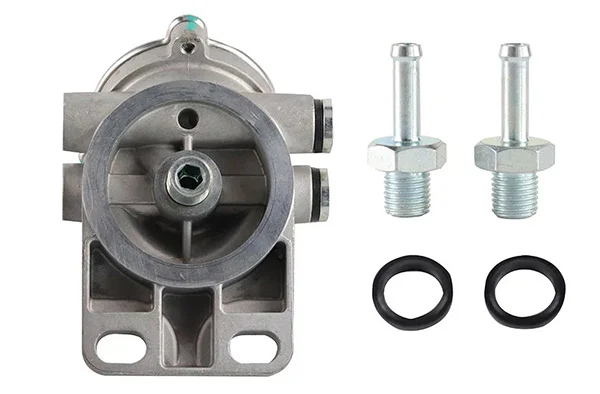
No matter how high the quality of the fuel is, if it becomes contaminated with impurities, it can cause friction or wear on critical components, potentially leading to catastrophic damage to the vehicle. The oil filter acts as the first line of defense during refueling. It filters out impurities, ensures fuel cleanliness, and extends the engine’s lifespan.
How are oil filters classified?
Oil filters can be classified into three categories based on their filtration method: full-flow, bypass, and combination.
Full-flow filtration: This method filters the entire output from the oil pump before the oil reaches the engine. This ensures that contaminants between the oil pump and the engine are removed.
Bypass filtration: This method diverts a portion of the oil output for finer filtration than a full-flow system provides. The filtered oil is then returned to the oil sump. Bypass filtration is typically used alongside a full-flow system as a secondary filter. In such setups, you will have multiple oil filters that require proper monitoring and maintenance.
Combination filtration: As the name suggests, this method integrates both full-flow and bypass filtration into a single system. This helps reduce the number of oil filters that need to be tracked, replaced, or maintained.
Common questions about oil filters
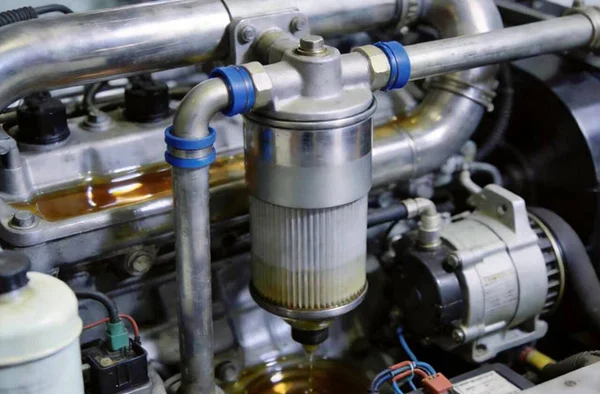
How much does a oil filter cost?
Oil filter typically cost between $10 and $25, depending on the type and brand. High-performance filters or those designed for specific engines may cost more.
Can I replace or install a oil filter myself?
Yes, replacing a oil filter is a task many people can handle, though it requires specific tools and knowledge. The process is straightforward: locate the oil filter, remove the old filter element, and then install and secure the new one.
Should I lubricate the filter element before installation?
Applying a small amount of oil to the new filter’s rubber gasket helps create a better seal and prevents the gasket from sticking, making future replacements easier. Be careful not to apply too much oil, as this could compromise the seal.
Oil filter lifespan
Generally, the oil filter should be replaced at the same time as the engine oil. For most vehicles, this means replacing the oil filter every 3,000 to 5,000 miles, or adhering to the manufacturer’s recommended service interval.
Where should you buy a oil filter?
If you are looking for a reliable, high-quality oil filter, huaweifilter is an excellent choice. We manufacture all oil filter components in-house, achieving a high level of self-sufficiency; this not only ensures superior quality but also gives us a competitive pricing advantage. Furthermore, we have a professional R&D and testing team dedicated to continuous innovation and improvement.